Electromagnetic radiation (UV, X-rays, gamma)
The family of light, and why UV harms the skin
1. Electromagnetic radiation (UV, X-rays, gamma): from zero
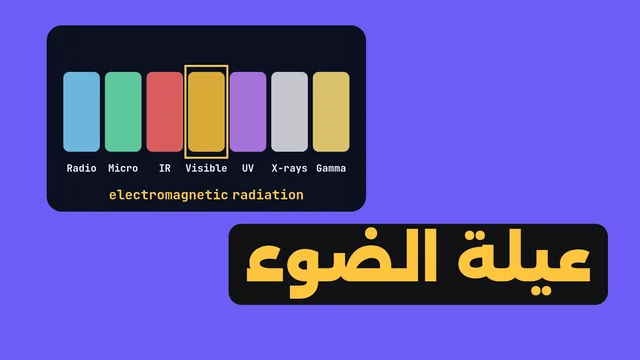
2. Burnt, but not hot
On a cloudy beach day you don't feel hot. You can still get sunburnt.
Pick the right answer
Predict: what burns the skin?
- A. Heat (infrared) from the Sun
- B. Ultraviolet (UV) rays from the Sun
- C. Bright visible light
Explanation
Sunburn comes from ultraviolet (UV) rays from the Sun: they are invisible and carry more energy than visible light, and they still reach you on a cloudy day.
3. A family of waves
Electromagnetic radiation
Waves that carry energy at the speed of light, even through empty space.
Light is not the only electromagnetic radiation: radio waves, X-rays and gamma rays are too. Our eyes see only the visible part. In empty space, all of them travel at the same speed. They differ in wavelength. Shorter wavelength means higher frequency and more energy.
4. Walk along the spectrum
Slide from radio waves to gamma rays. Read what each one does.
Position in the spectrum (1 = radio, 7 = gamma) 1
Energy rank (1 = lowest) 1 of 7
Radio waves
Longest wavelength, lowest energy. They carry radio and TV signals.
5. Invisible is not weak
Infrared
Invisible. Less energy than visible light. We feel it only as warmth.
Ultraviolet (UV)
Invisible. More energy than visible light. It can burn the skin.
| Ray | Can our eyes see it? | Energy compared with visible light |
|---|---|---|
| Infrared | No | Less |
| Visible light | Yes | — |
| Ultraviolet (UV) | No | More |
6. Sort and apply
Sort into groups
Sort each ray: less or more energy than visible light?
Radio wavesMicrowavesInfraredUltraviolet (UV)X-raysGamma rays
Pick the right answer
A hospital image shows bones through the skin. Compared with UV, the rays used have:
- A. more energy and a shorter wavelength
- B. less energy, because they pass through gently
- C. the same energy, because all these rays have the same speed
- D. a longer wavelength and more energy
Explanation
Rays that show bones through the skin are X-rays. They have a shorter wavelength than UV, so they carry more energy and pass through the body more easily.
True or false?
Gamma rays are particles, not waves.
Explanation
Gamma rays are electromagnetic waves, like light, at the shortest-wavelength end of the spectrum.
7. Summary
- Electromagnetic radiation: radio, microwaves, infrared, visible, ultraviolet (UV), X-rays, gamma rays. Light is only one member.
- From radio to gamma: the wavelength gets shorter and the energy gets higher.
- UV has more energy than visible light, so it can damage the skin.
- Gamma rays are electromagnetic waves with the highest energy and the highest penetrating power.
Next: which compound of titanium protects the skin from UV?
Can you explain why UV burns the skin, although infrared feels warmer?
Reveal
UV has a shorter wavelength than visible light, so it carries more energy and can damage the skin. Infrared has less energy than visible light: we feel it only as warmth.