ريلز
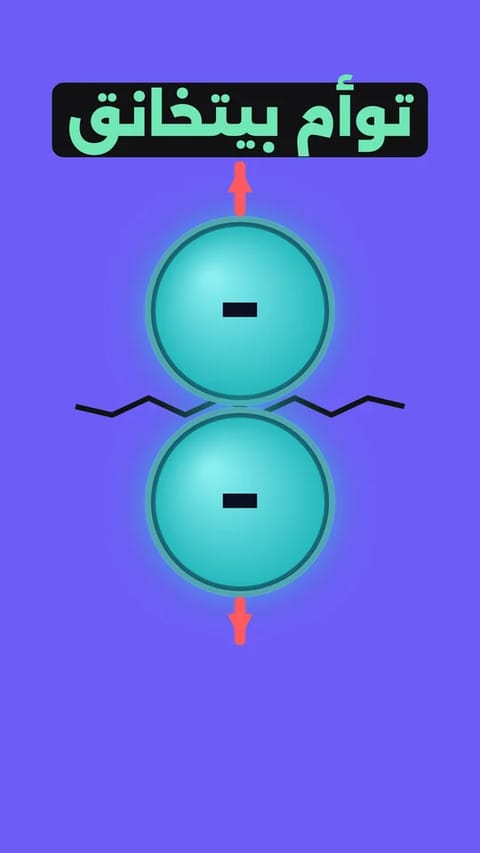
Electric charges attract and repel
Matter is made of atoms and molecules
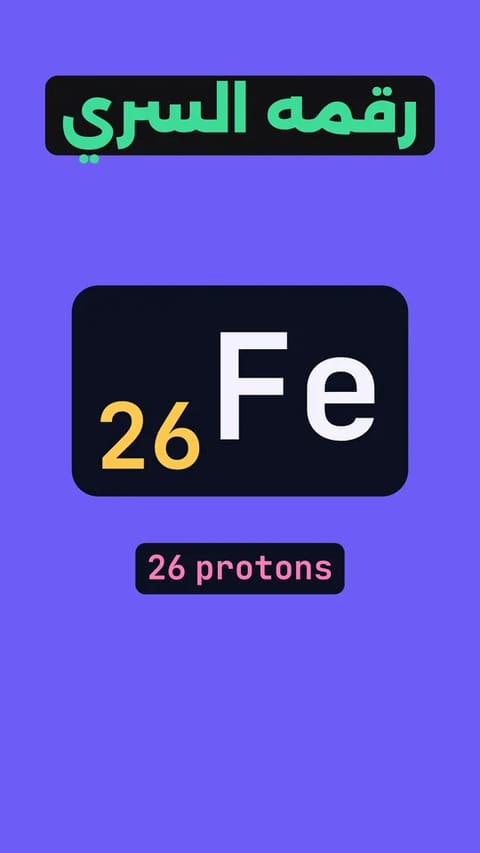
Atomic number and mass number
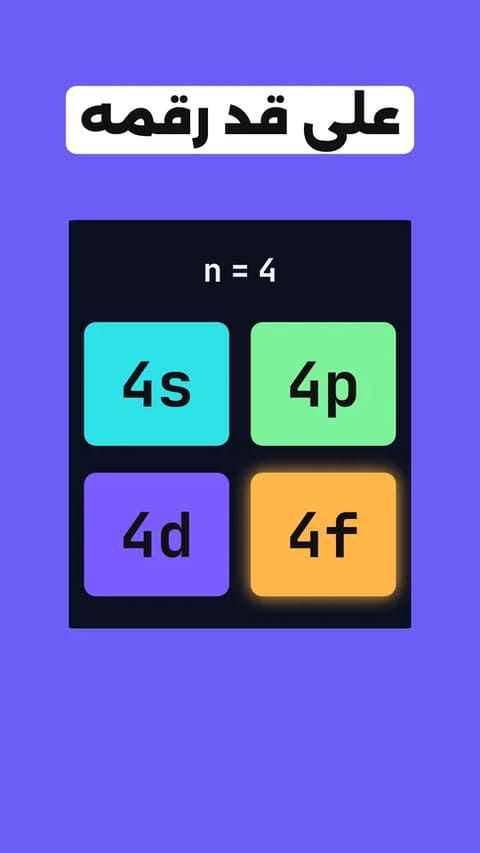
Main energy levels
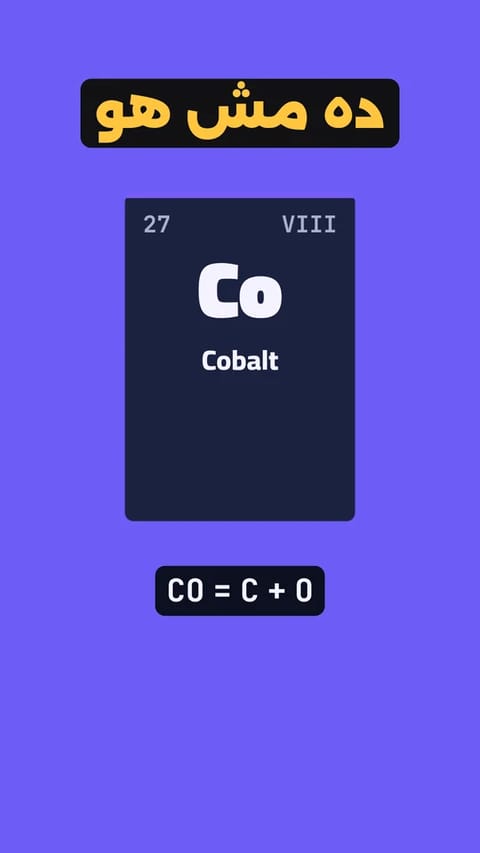
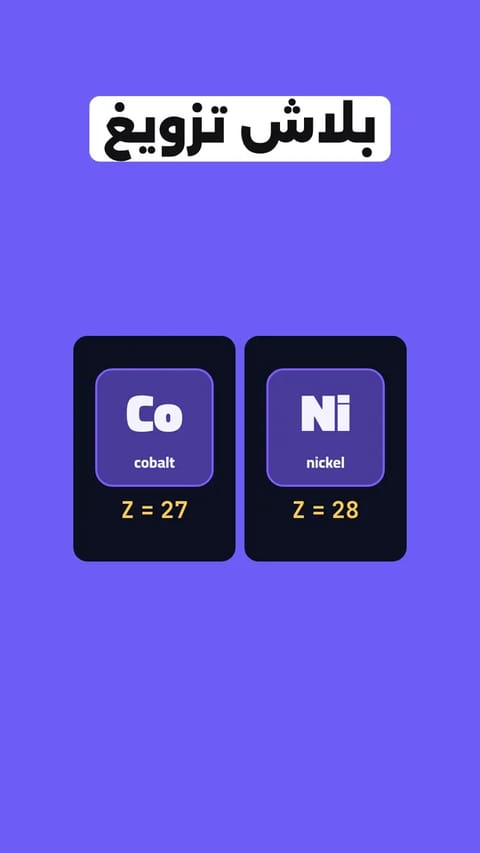
Elements and their symbols
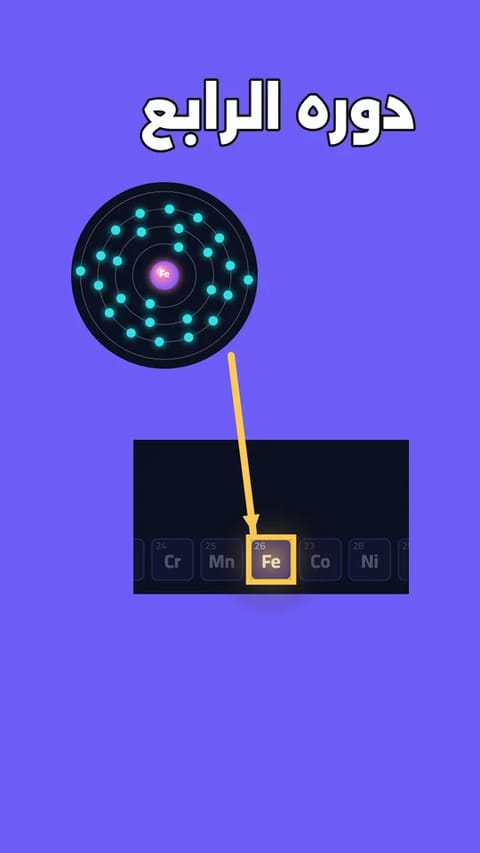
Periodic table: periods and groups
Energy sublevels (s, p, d, f)
Orbitals
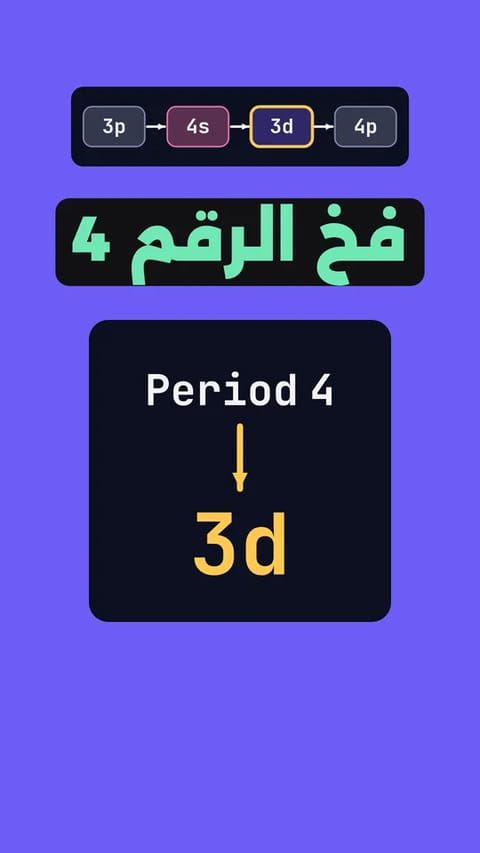
Aufbau principle (order of filling)
Magnets and magnetic fields
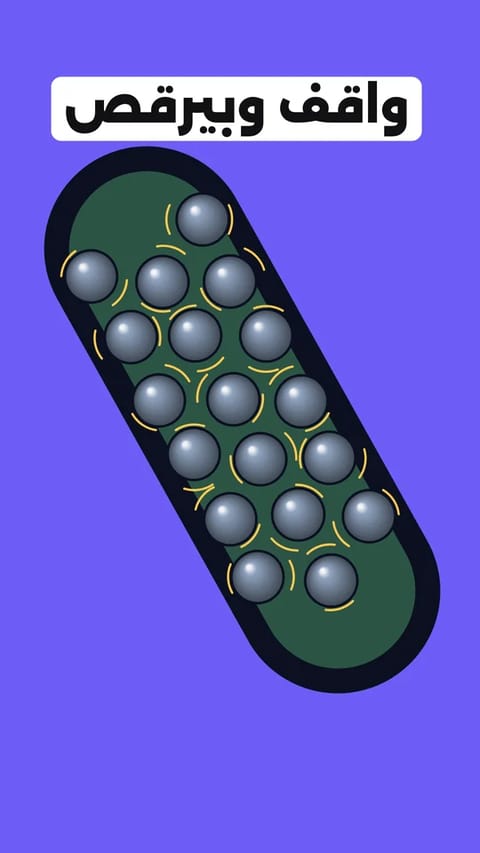
Electron spin and the Pauli principle
Writing electronic configurations
Blocks of the periodic table
Transition elements in the periodic table
Main transition elements (d-block)
The four transition series
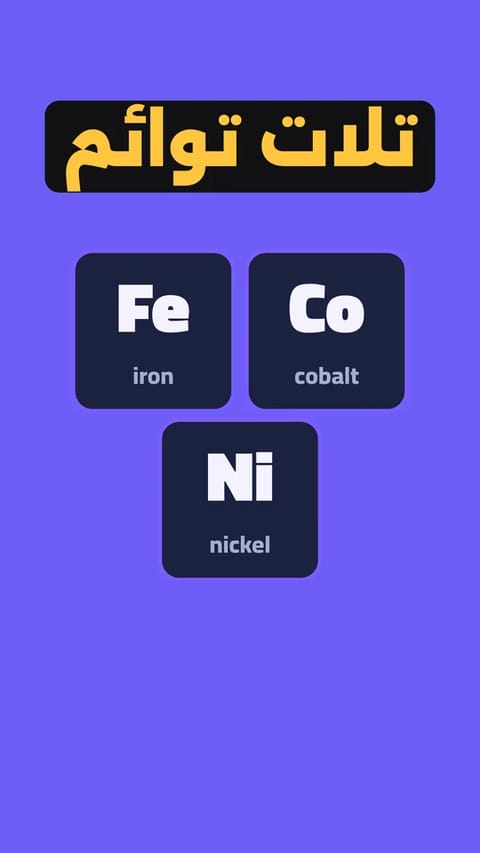
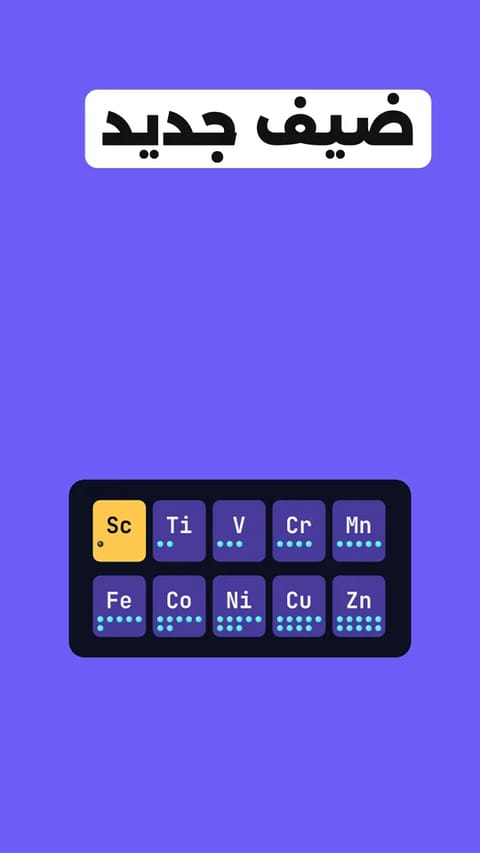
Elements of the first transition series
Light and waves
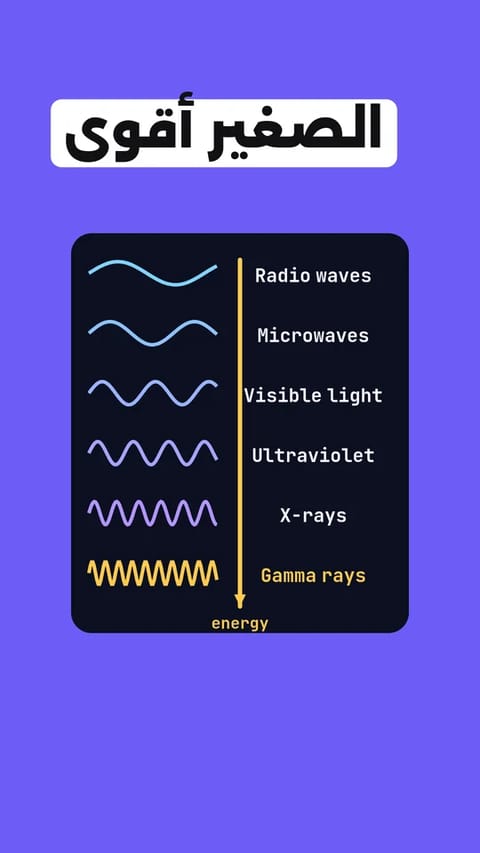
Electromagnetic radiation (UV, X-rays, gamma)
Economic importance of scandium and titanium
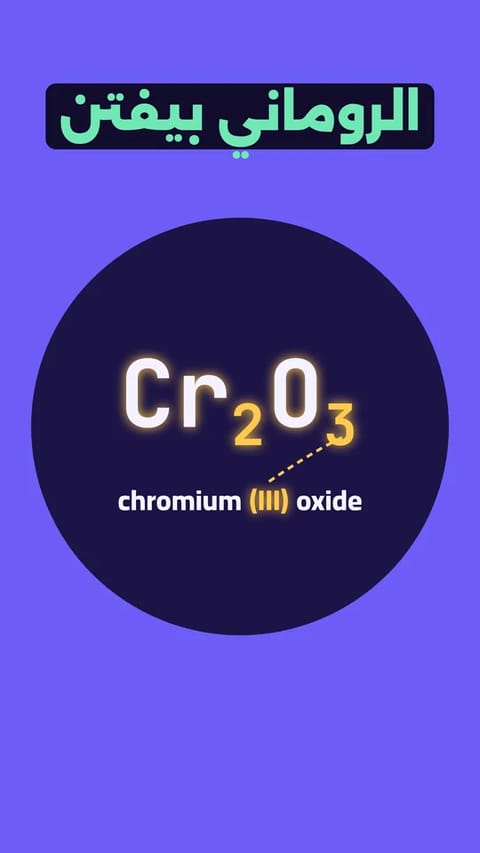
Valency and writing chemical formulas
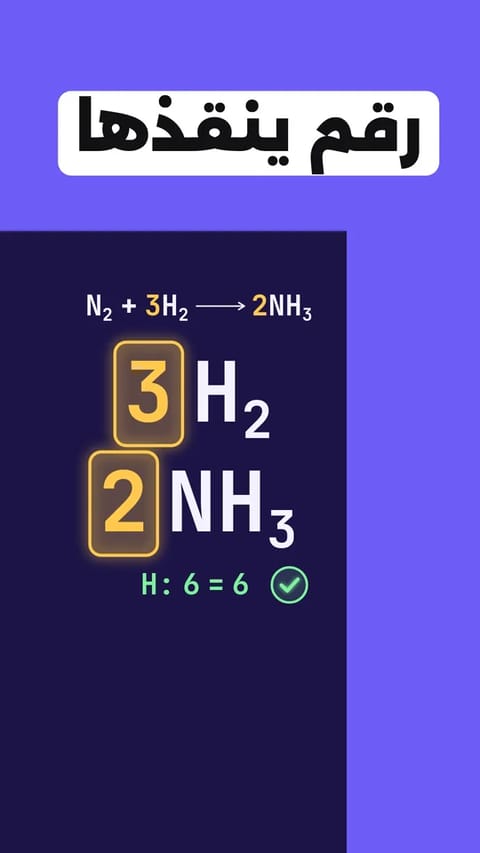
Writing and balancing chemical equations
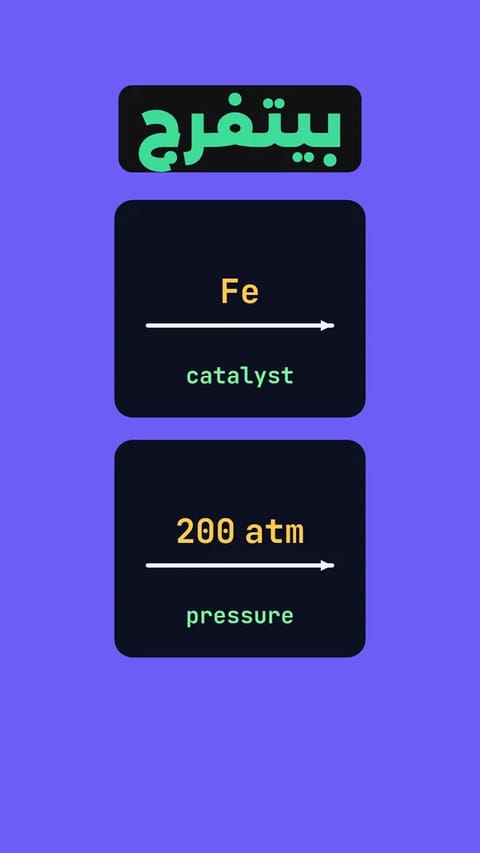
Catalyst
Properties of metals and non-metals
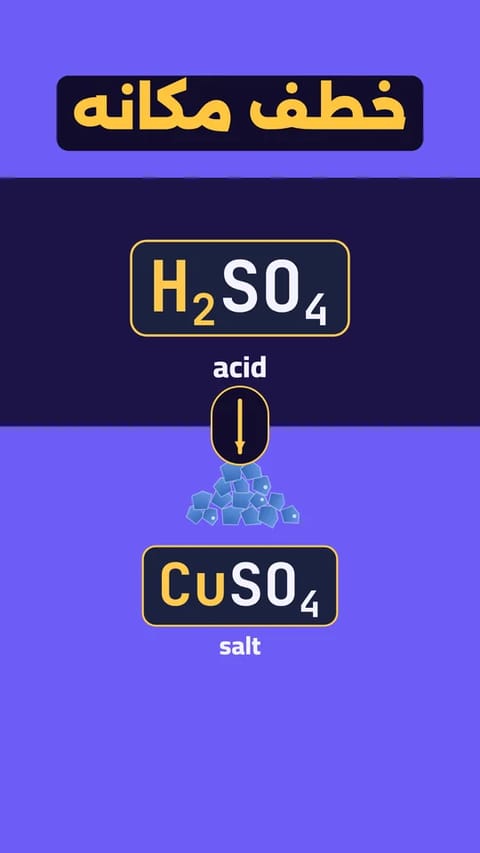
Acids, bases and salts
Acidic and basic oxides
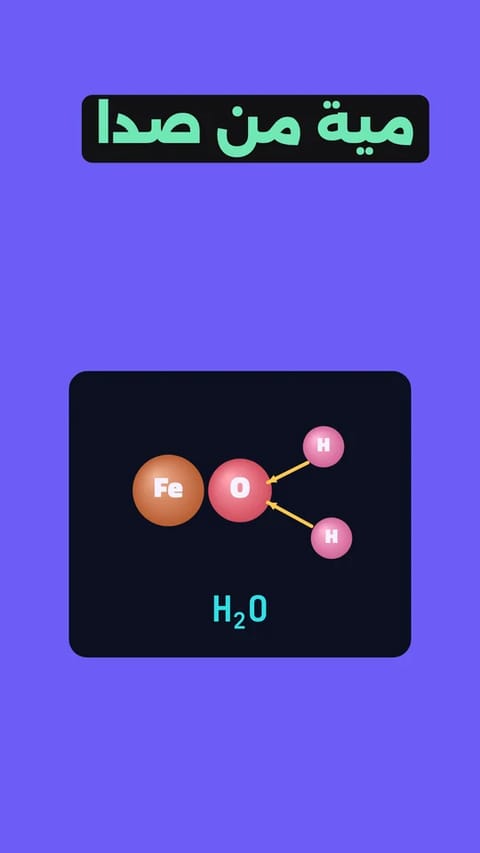
Rusting and corrosion
Oxidation and reduction by oxygen
Economic importance of vanadium and chromium
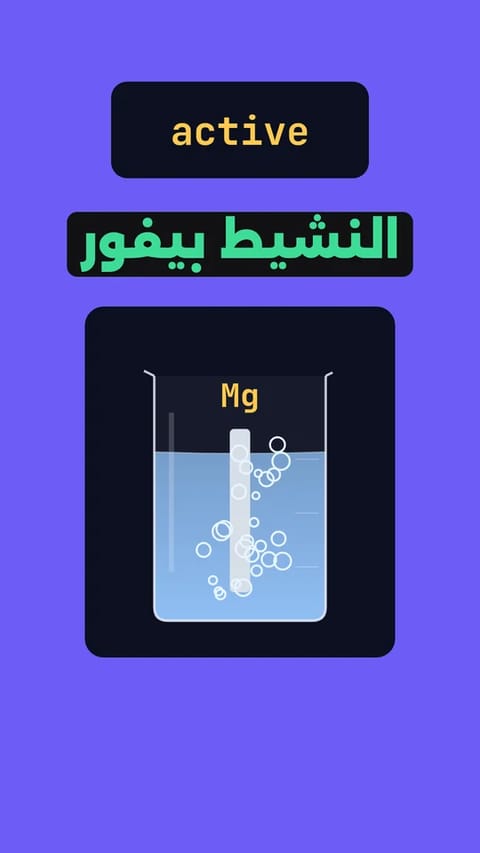
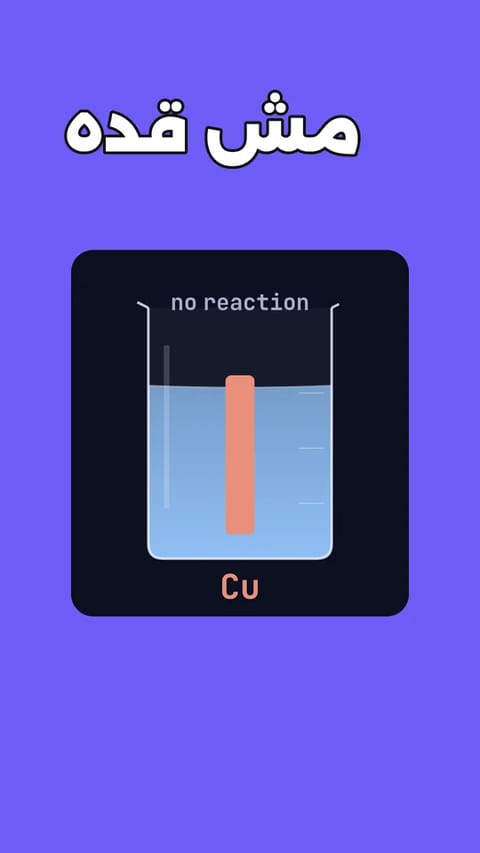
Chemical activity series of metals
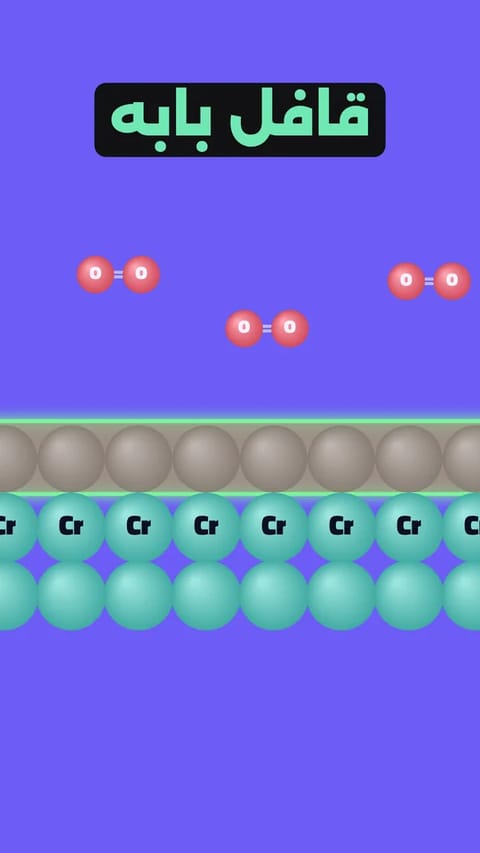
Why chromium resists the effect of atmosphere
Economic importance of manganese
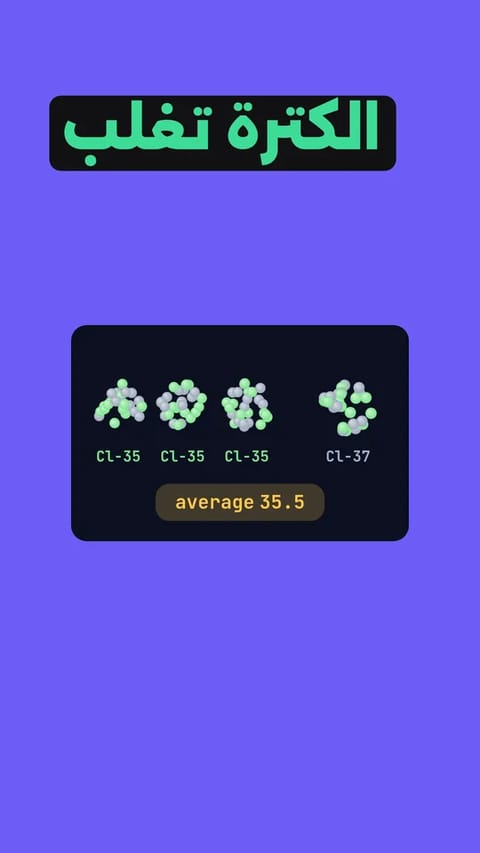
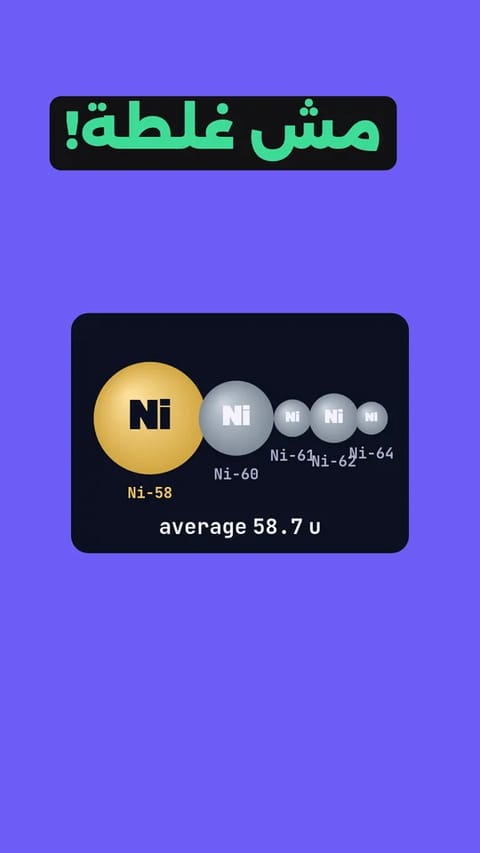
Isotopes and average atomic mass
Radioactivity and gamma rays
Economic importance of iron and cobalt
Economic importance of nickel
Economic importance of copper and zinc
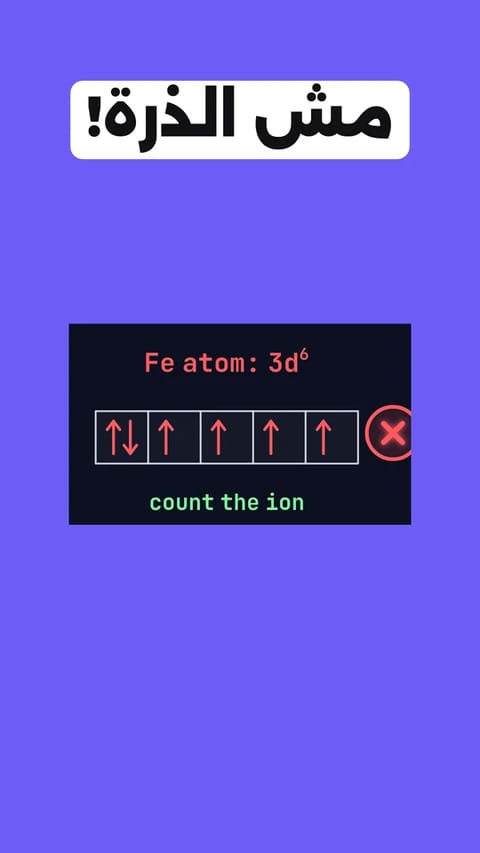
Hund's rule and orbital-box diagrams
Electronic configuration of the first transition series
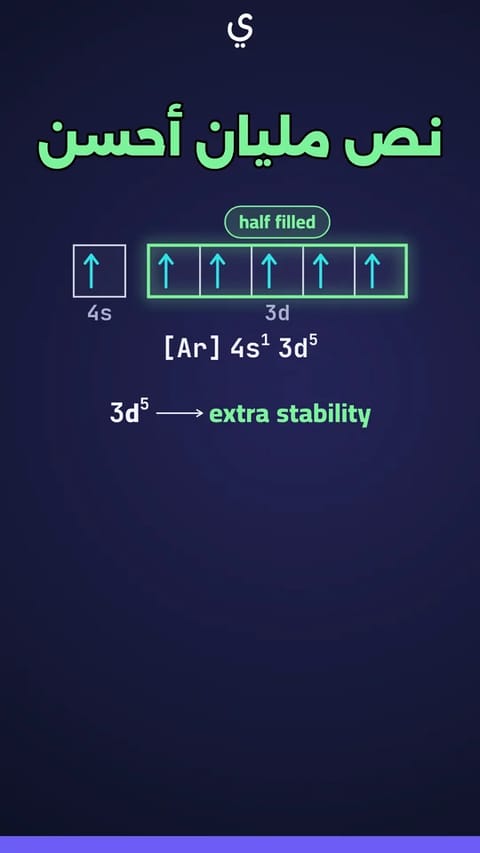
Abnormal electronic configuration of chromium and copper
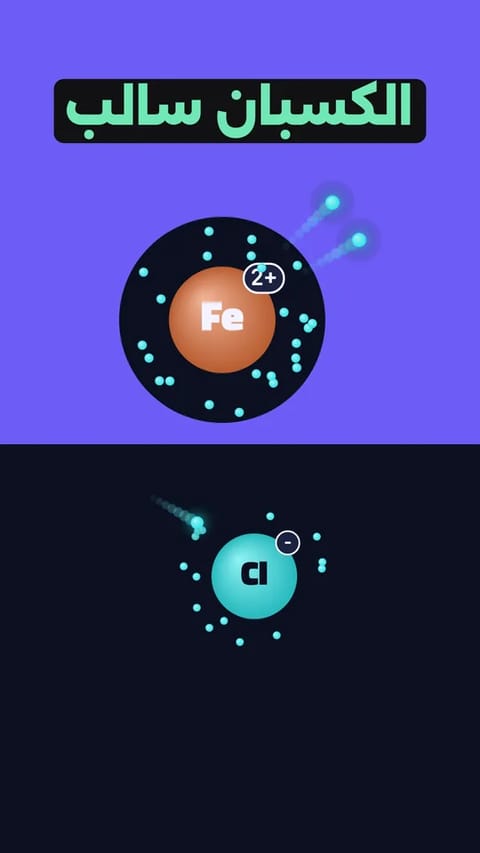
Ions (cations and anions)
Ions: 4s electrons are lost first
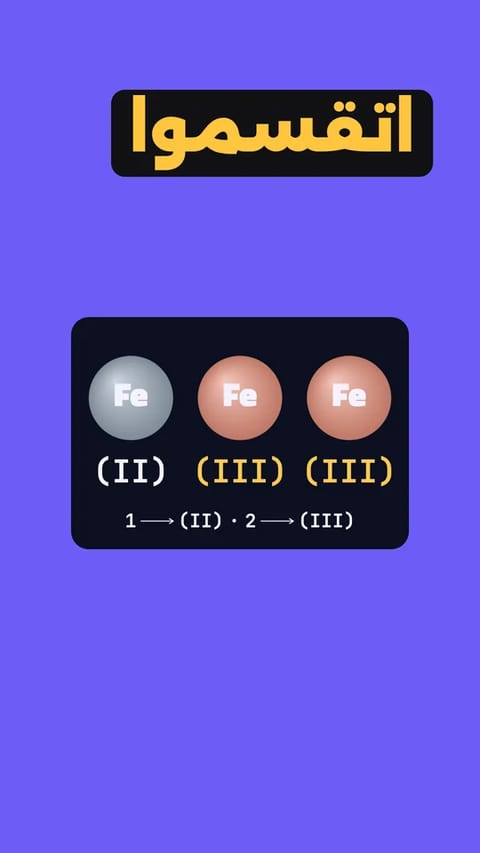
Oxidation state in compounds
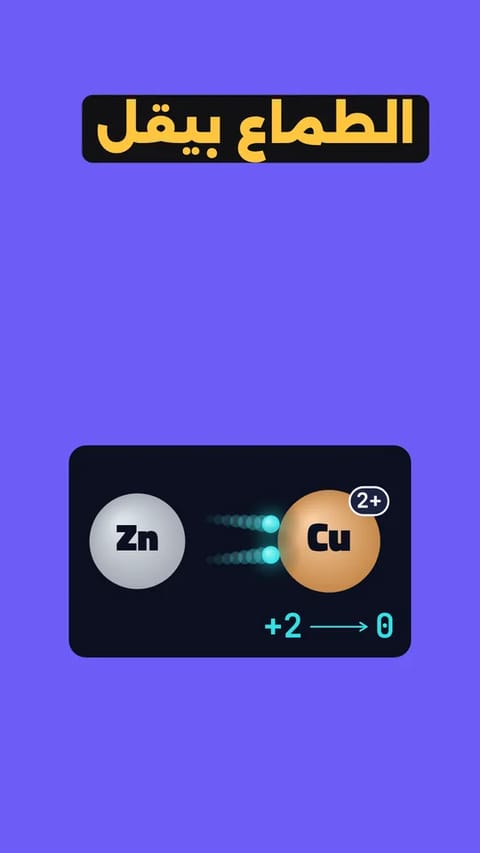
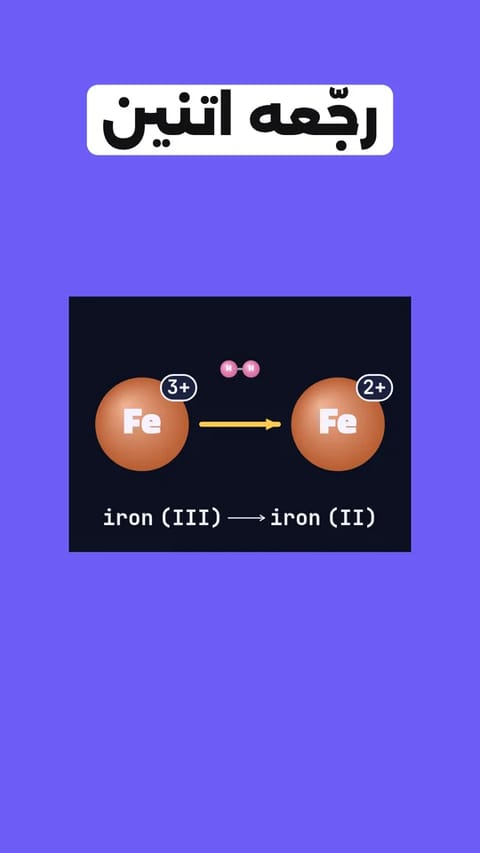
Oxidation and reduction by electrons
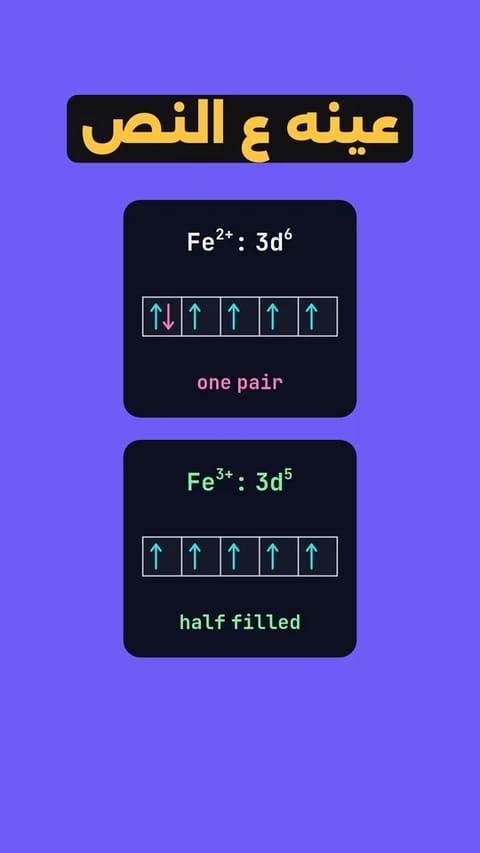
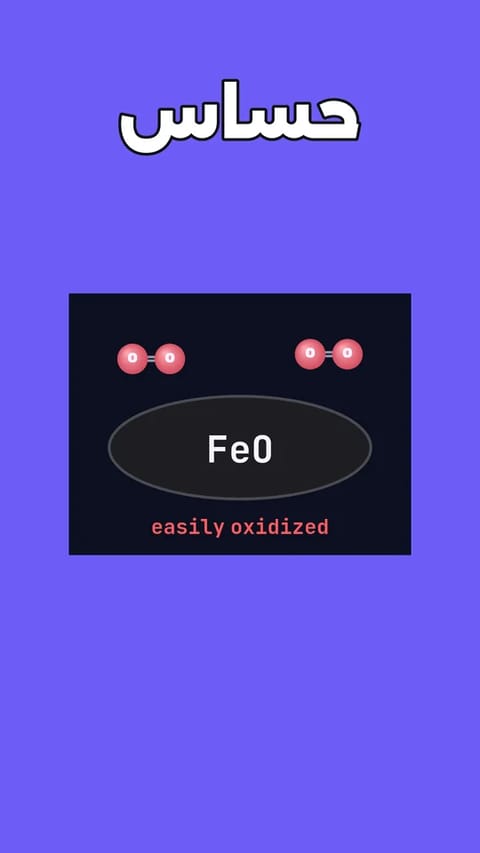
Iron(II) is easily oxidized while manganese(II) is not
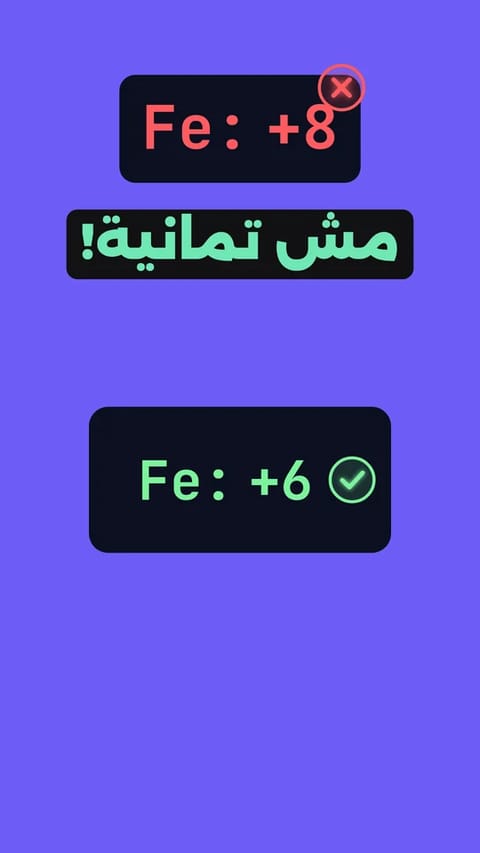
Oxidation states from Sc to Zn
Atomic radius trend
Ionization energy
Why several oxidation states
Definition of the transition element
Are coinage metals and zinc transition elements?
Atomic mass: why nickel is abnormal
Atomic radius: nearly constant
The metallic property
States of matter, melting and boiling points
Ionic and covalent bonds
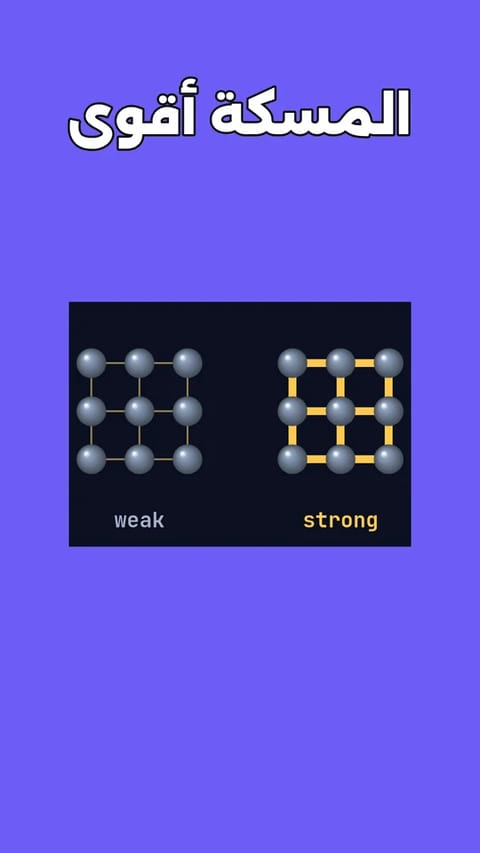
Metallic bond
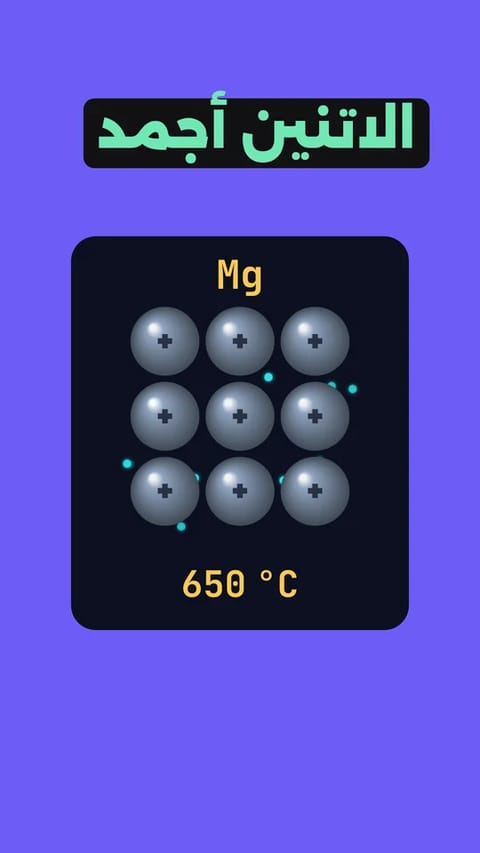
High melting and boiling points
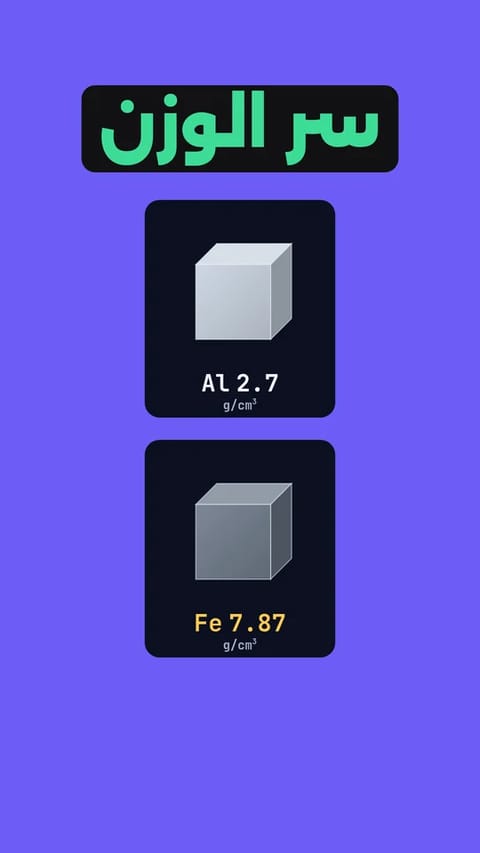
Density
Density increases with atomic number
Paramagnetic and diamagnetic substances
Unpaired electrons and magnetic moment
Bond breaking and bond forming
Activation energy and energy profile
Catalytic activity of transition elements
Reading equations: states and conditions
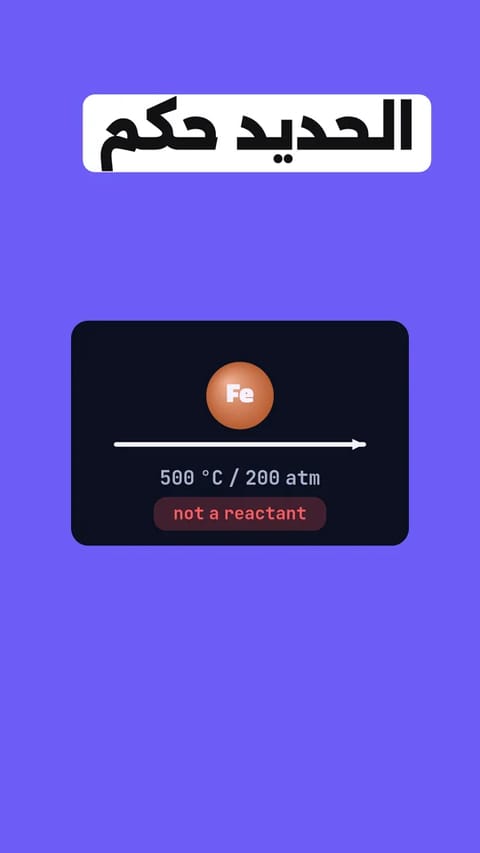
Haber-Bosch method for ammonia
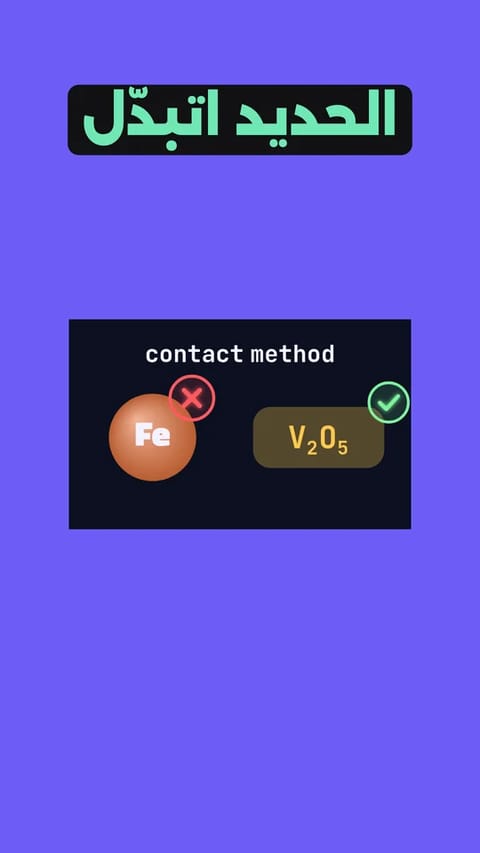
Nickel, iron and V₂O₅ as catalysts
Elements, compounds and mixtures
Iron: abundance and suitability of iron ore
Water of crystallization
Important iron ores
Separating mixtures
Ore dressing: crushing, sintering, concentrating
Types of chemical reactions
Molar mass
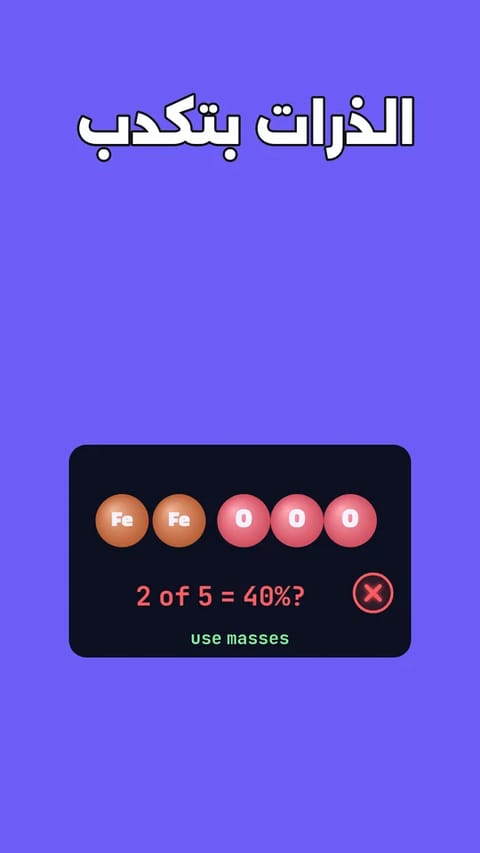
Mass percentage of an element
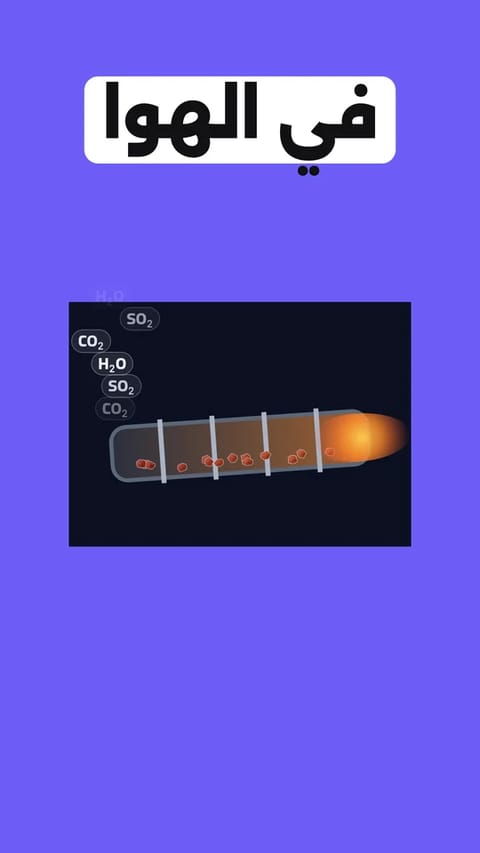
Roasting of iron ore
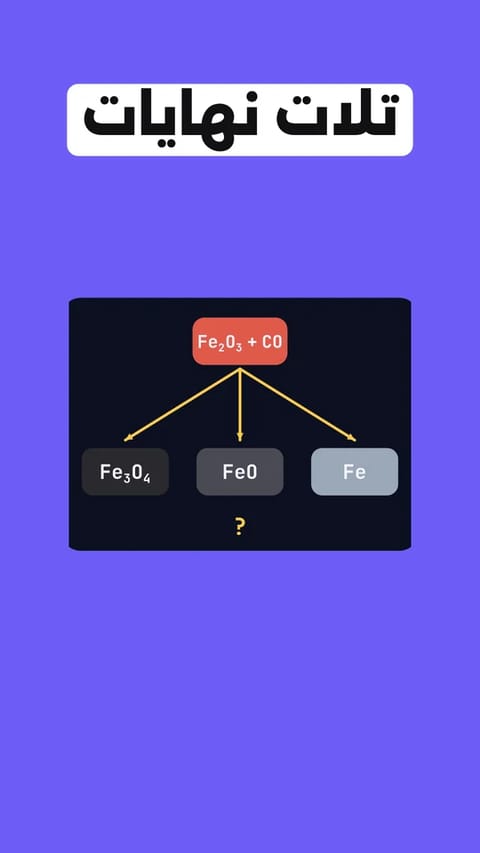
Reduction in the blast furnace
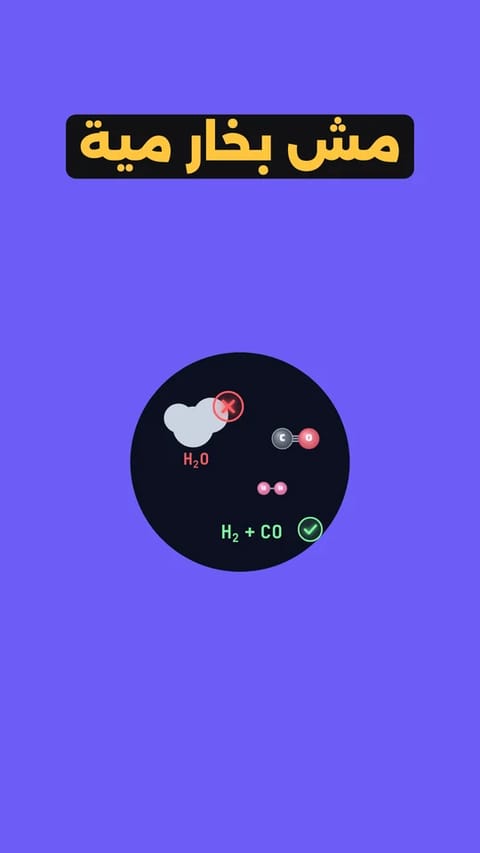
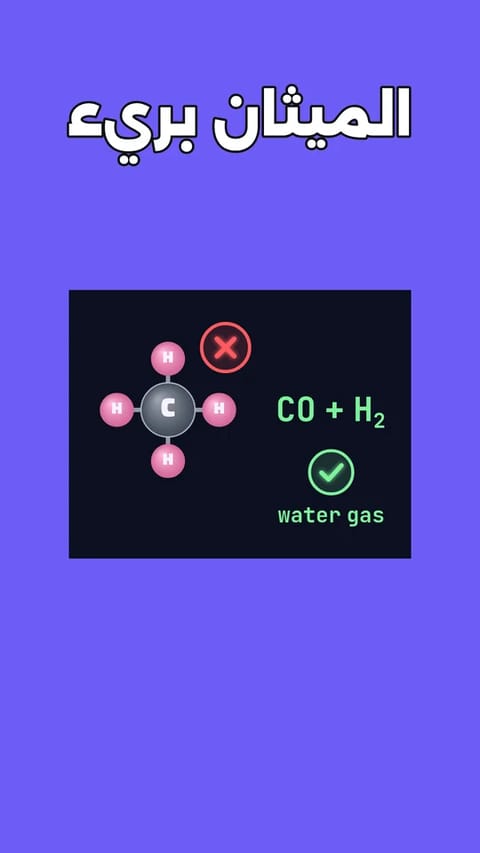
Natural gas (methane)
Reduction in the Midrex furnace
Iron production and steel
Electric current
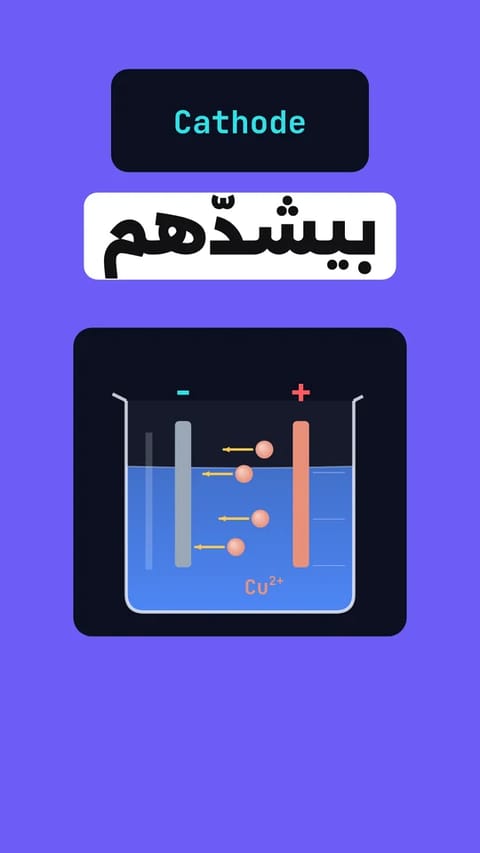
Electroplating
Alloys: definition and preparation
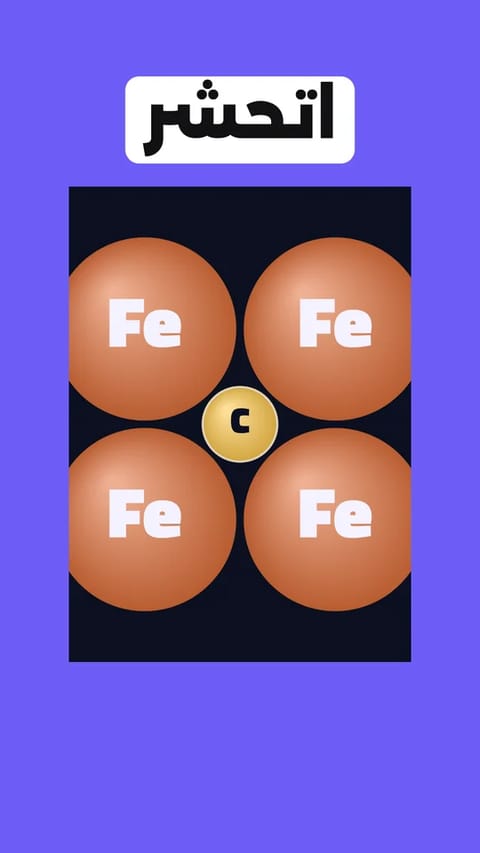
Interstitial alloys
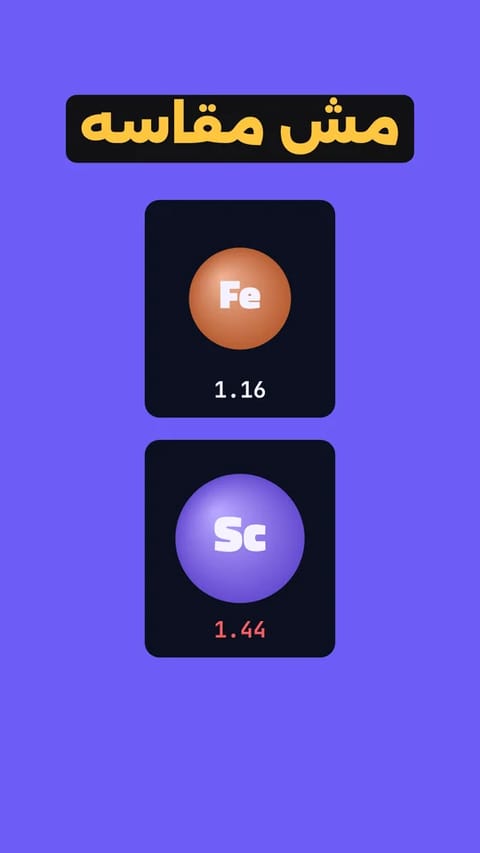
Substitutional alloys
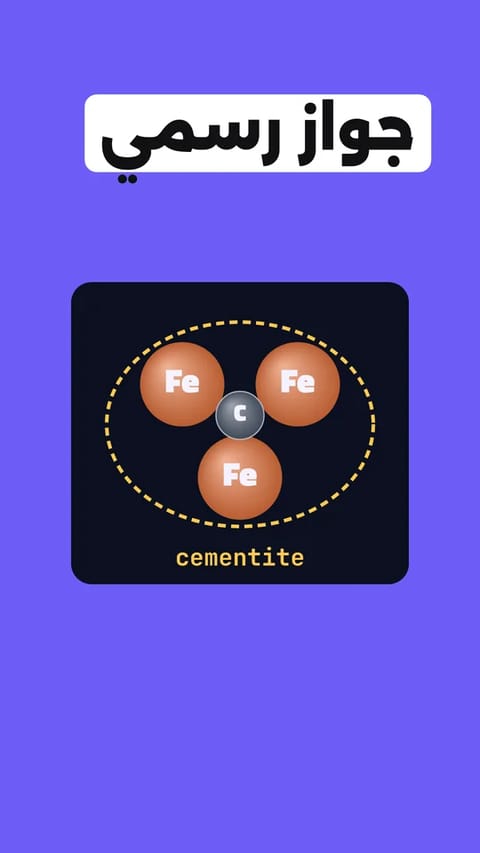
Intermetallic alloys
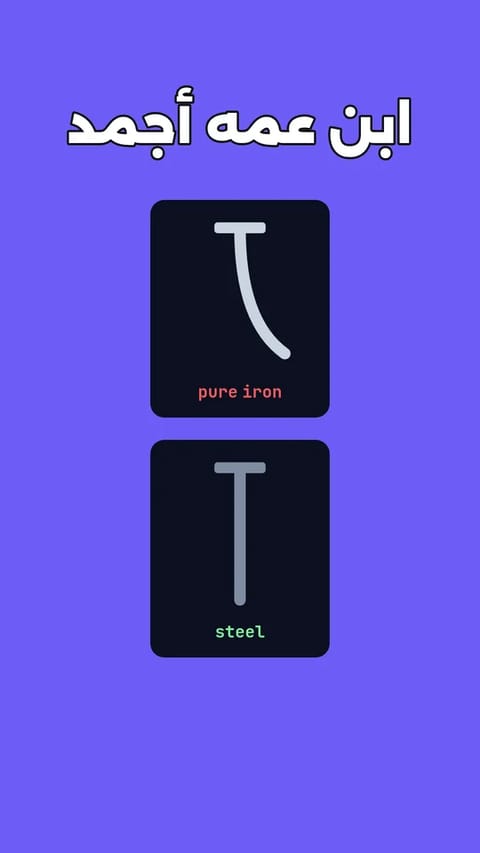
Physical properties of iron
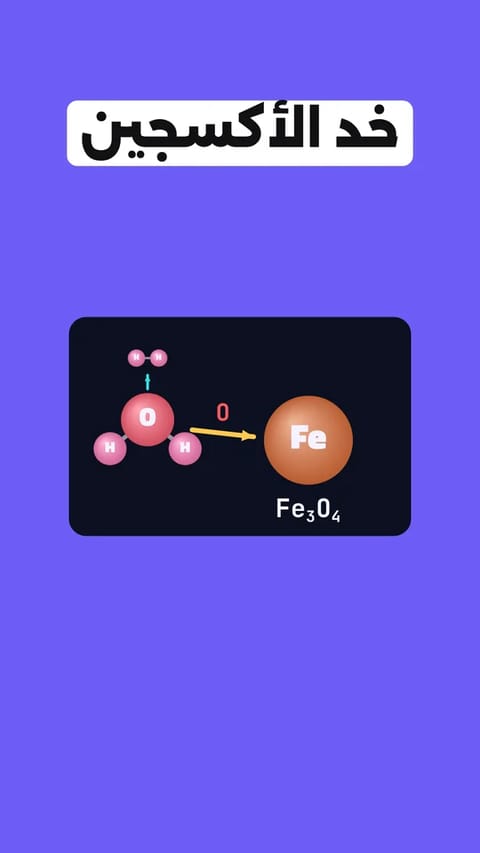
Effect of air and water vapour
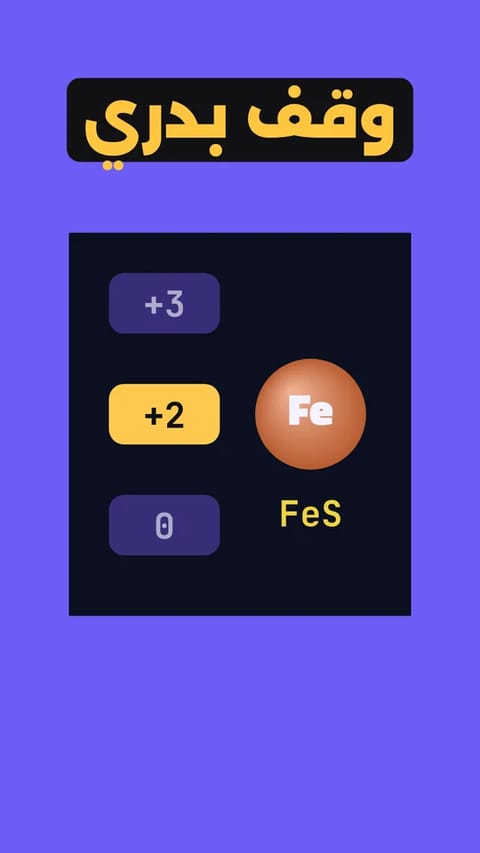
Iron with non-metals: chlorine and sulphur
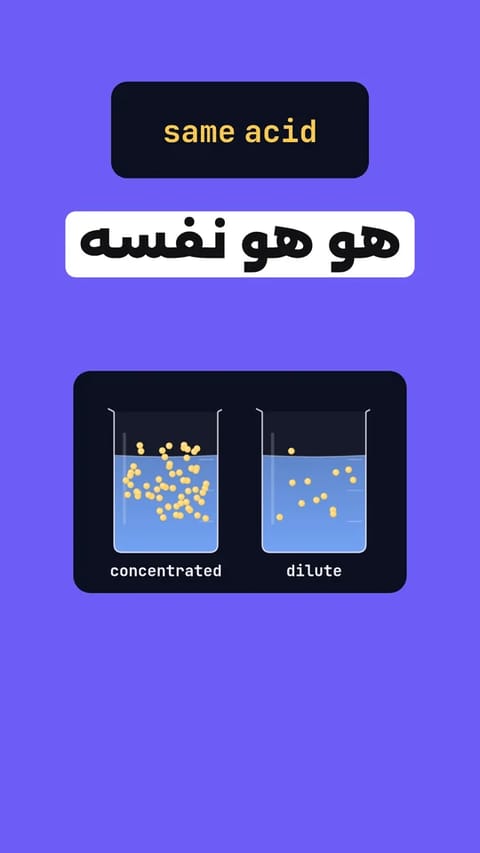
Concentrated and dilute solutions
Metal + dilute acid
Iron with dilute acids
Iron with hot concentrated sulphuric acid
Passivity of iron
Iron(II) oxide FeO
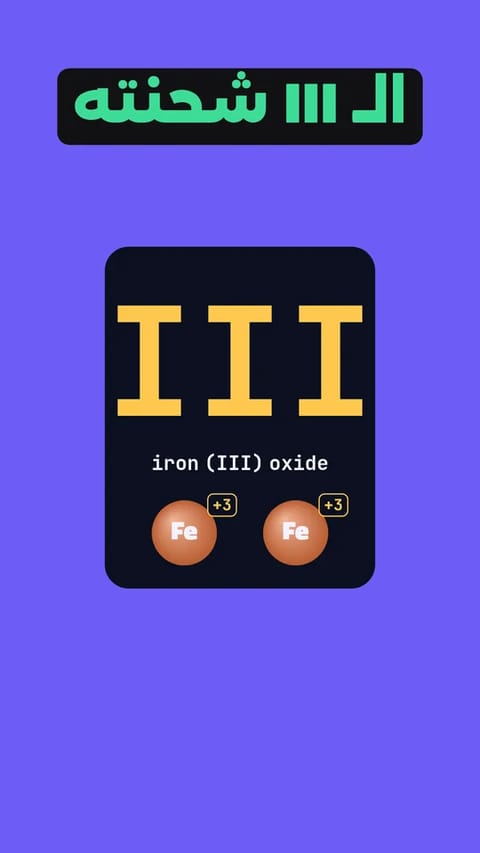
Iron(III) oxide Fe₂O₃
Magnetic iron oxide Fe₃O₄
Iron and its oxides: reaction diagrams